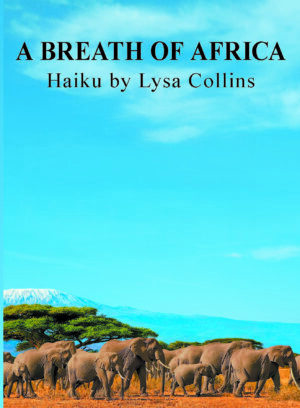
Lysa Collins is an environmentalist, world traveler, poet and supporter of the Jane Goodall Institute and the African Wildlife Foundation. She currently lives in British Columbia. She writes haiku and other short forms of poetry, which appear both in English and in translation, locally, nationally, and internationally, in a variety of print and online publications.
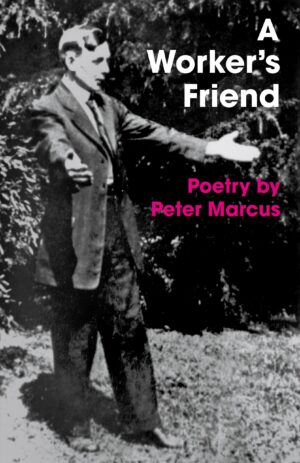
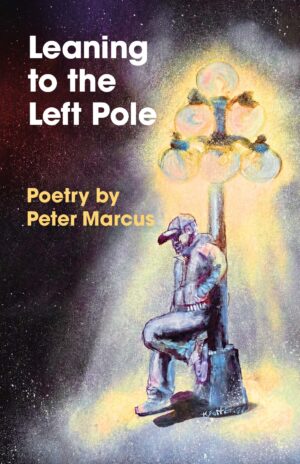
Peter Marcus was born in Toronto on July 31, 1945. He moved to Vancouver in 1966. For many years he worked in health care, retiring in 2002. He was active in the Hospital Employees’ Union and in leftist politics. In his retirement he remains active, particularly with the Communist Party of Canada. His poetry attempts to reflect his socialist leanings.
Pnina Granirer was born in Romania and immigrated to Israel in 1950. She studied at the Bezalel Art Academy in Jerusalem and came to Canada in 1965, settling in Vancouver where she has lived ever since. Her works are displayed in private and public galleries and museum collections in Canada, the US, Chile, Europe and Israel. An extensive archive of documentation on her work and life can be found in the British Columbia Artists’ Archives at the University of Victoria, BC.
Granirer has always followed her own vision, taking risks by disregarding the trends and fashions of the art world. In 1993 Granirer co-founded Artists in Our Midst, the first annual Studio Tour in Vancouver, BC. For six years she organized and hosted discussions about art via Philosopher Art Cafes sponsored by Simon Fraser University. She has been featured in several films, including Pnina Granirer: Portrait of an Artist (1989) and The Trials of Eve (1992).
In 2014 the artist was included in the encyclopedia of International Surrealism by Arturo Schwarz, Il Surrealismo—Ieri e Oggi (Italy) and in a five-page chapter of José Miguel Pérez Corrales’s Anthology, Surrealismo: El Oro del Tiempo (Spain).
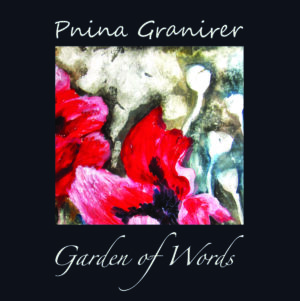
A visual artist for over 60 years, Granirer has also written verse since her childhood. Garden of Words contains musings that both reflect and illuminate her paintings. The sculpted stones in the Gulf Islands, the joy of watching dancers’ bodies in movement, the shadow of a new plague, and the contemplation of being human in a complex world—all are an expression of Granirer’s wish “to plant a garden of words in [her] field of colours.”
You’re invited to visit her website: www.pninagranirer.com
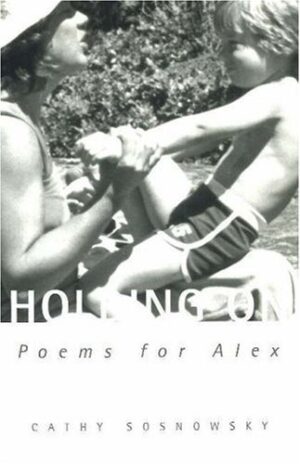
Cathy Sosnowsky, now retired, taught English literature at the university level. Her short stories and essays have been published in The Globe and Mail and Room Magazine. She sits on the Canadian board of Compassionate Friends and is a leader in its North Vancouver chapter. She also leads “Writing as Healing” workshops for bereaved parents in Canada and abroad. She currently lives in Vancouver with her husband, Woldy, and their granddaughter, Ainsley.
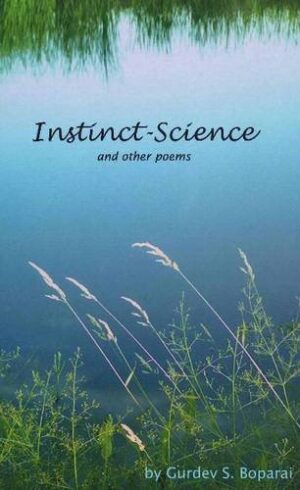
Gurdev S. Boparai was born in 1950 in his maternal grandparent’s village of Nurpur in Punjab, India. He grew up in his ancestral village. Boparai Kalan and finished his primary education there. After attending high school in the neighbouring village of Shankar he took pre medical studies at Lyallpur Kalsa College in JHallandhar, Punjab.
Peter Marcus was born in 1945 in Toronto. He moved to Vancouver in 1966. He found steady work in the health care system as a cleaner and later as a transport attendant and retired in 2002. He was an activist in the Hospital Employees’ Union and a member of the Communist Party of Canada. His first book, A Worker’s Friend, was published in 2019.
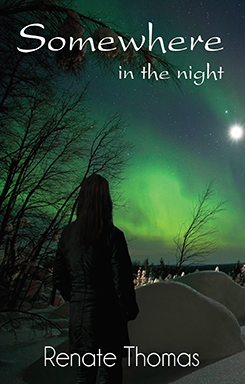
Renate Thomas was born in 1953 in Germany and immigrated to Canada in 1957, where she has resided ever since. She became a Canadian citizen in 2005. Thomas has worked at tree-planting, various jobs in the lumber industry, such as manufacturing picket-fence posts and telephone poles, and on the green chain. She also drove an eighty-ton truck for a mining company.
In the midst of that busy life, she married and had two children. But the marriage did not last, and a car accident later robbed her of her eldest child. Renate picked up the pieces of her life, had a stint picking fiddlehead greens in the forests around Prince George, and later moved to Calgary. She eventually moved back to Terrace, BC and worked for the school board for ten years. Thomas now resides in the Fraser Valley city of Chilliwack, BC, the town in which she grew up.
“Life as I knew it,” she said, “ended on August 16, 1999, with the loss of my son and my personal injury.” Expressing her deepest emotions in her poetry helped Thomas recover, collect herself, and put things in perspective.
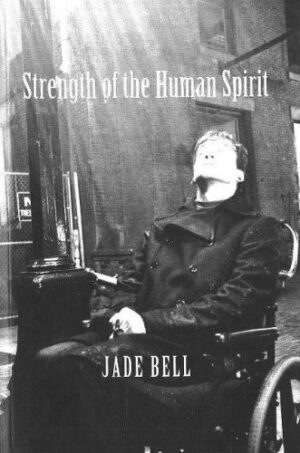
In his teens, Jade Bell was a handsome, popular, 6’ 3” athlete, an A-student, musician, poet and potential film-maker. Unfortunately, Jade also had a dark side. He actively indulged in alcohol and drugs. One night in 1997 when he had just turned 23, Jade went to a friend’s house where, intoxicated with alcohol, he mixed a concoction of cocaine and heroin and shot it into his arm. He collapsed and was rushed to the hospital, where he lay in a coma for two months. When he awoke he was absolutely normal at first, but then he once again slipped into unconsciousness. The next time Jade woke up, his entire body was damaged by acute muscle disorder. He could no longer speak – worse still, he was also blind. In this new, dark and desperate world, the unconditional love and inspiration of his father, Tyler Bell, taught him the true strength of the human spirit. One day something just clicked, and Jade decided he had something valuable to share with kids who face the temptation of using drugs – something that few other people still living could offer. With help from his dedicated caregivers, Jade began touring schools in Vancouver and Alberta and, more recently, in Western Quebec. He speaks to high school students – more than 100,000 over the past few years – about the horrors of drug use and the effects of an overdose. He shows a video clip, The Wrath of the Dragon, that reveals the seamy side of the Vancouver youth drug scene and talks about the wasted life waiting for those who consider or continue doing drugs. Then he plays a brief speech he created that took him two months to write. Jade says that before this tragic experience he had an “invincible, nothing-can-hurt-me” attitude as a teen. Today, many a hardened or troubled youth with that same bad attitude has broken down in tears at the sight of Jade’s uncontrollable body, beautiful blue, unseeing eyes and the power of his story. Though it’s strange to think of his plight as a “gift,” it’s one that Jade bears courageously and gracefully with a knowing smile. In 2002 he was presented with the Coast Foundation’s Courage To Come Back Award in the chemical dependency category. Jade lives independently in Vancouver, BC. In-between his school tours, Jade spends his time responding to the flood of emails from students and teachers that inevitably follow his visits. He composes poetry and song lyrics to support his campaign. His website, www.jadebell.ca, features poems, a photograph gallery and current tour news. Jade Bell is truly one of Canada’s contemporary heroes.